
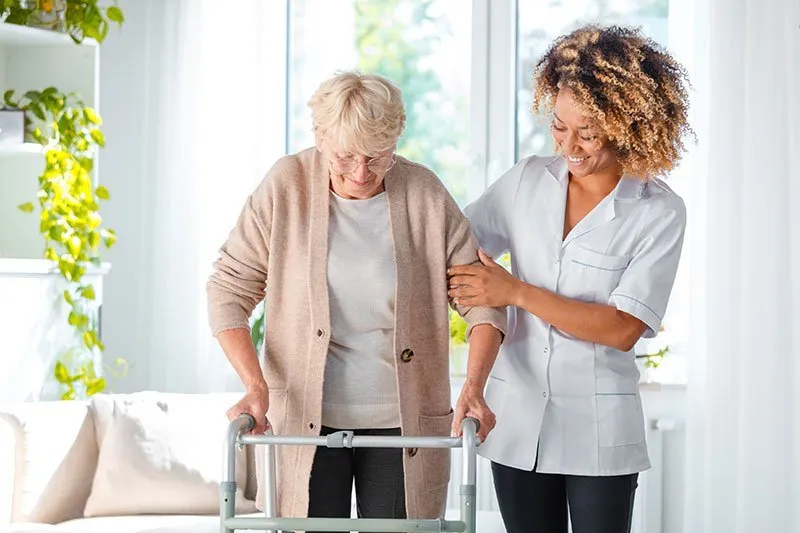
Parkinson’s disease care is an important concern for seniors and families, especially those seeking reliable in-home support in communities like New Westminster and the Lower Mainland. Parkinson’s disease care requires a compassionate, structured approach that supports both seniors and their families as symptoms progress. Parkinson’s is a complex neurological condition that affects movement, balance, and daily functioning, often requiring personalized care plans that adapt over time.
At Live Peace 24/7 Seniors Home Care, we help seniors remain safe, independent, and comfortable at home by providing professional, individualized in-home care tailored to Parkinson’s disease.
What Is Parkinson’s Disease?
Parkinson’s disease is a progressive neurodegenerative disorder that primarily affects the central nervous system. It is best known for motor symptoms such as tremors, muscle rigidity, slow movement (bradykinesia), and balance issues. However, non-motor symptoms, including depression, sleep disturbances, cognitive changes, bladder dysfunction, and fatigue — often appear years before physical symptoms.
According to the Parkinson Canada Foundation, Parkinson’s affects more than 100,000 Canadians, with most diagnoses occurring after age 60.
Receiving a diagnosis can be overwhelming, but with the right support, seniors can maintain quality of life and independence for many years.
Common Symptoms of Parkinson’s Disease in Seniors
Parkinson’s symptoms vary by individual and progress gradually. Common symptoms include:
- Tremors in hands, arms, or legs
- Muscle stiffness and rigidity
- Slowed movements
- Difficulty with balance and walking
- Changes in speech or handwriting
- Depression or anxiety
- Memory or cognitive challenges
Early recognition and proactive care are essential for long-term well-being.
Tips for Managing Parkinson’s Disease
1. Prioritize Physical Exercise
Regular physical activity is one of the most effective ways to manage Parkinson’s symptoms and slow functional decline. Exercise improves mobility, posture, balance, and confidence.
Recommended activities for seniors with Parkinson’s:
- Walking or light hiking
- Tai Chi (excellent for balance and fall prevention)
- Yoga or stretching routines
- Dancing or movement-based therapy
The Parkinson’s Foundation emphasizes that consistent exercise can improve both motor and non-motor symptoms.
2. Maintain Social Connections
Isolation is a major concern for seniors living with Parkinson’s. Staying socially engaged improves emotional health and reduces depression and anxiety.
Ways to stay connected
- Join Parkinson’s support groups
- Attend senior fitness or wellness programs
- Participate in community centre activities
- Schedule regular family visits and outings
3. Follow a Nutritious, Balanced Diet
Proper nutrition plays an important role in managing Parkinson’s symptoms while supporting overall health and energy levels. In addition, a balanced diet can help reduce common complications such as constipation, fatigue, and bone loss.Proper nutrition helps manage Parkinson’s symptoms and supports overall health.
For seniors living with Parkinson’s disease, maintaining steady nutrition also supports medication effectiveness and digestive health. As a result, dietary choices should focus on whole, nutrient-dense foods that promote brain and body function.
Recommended dietary habits:
- Fresh fruits and vegetables, which are rich in antioxidants that help combat oxidative stress
- Omega-3–rich foods such as salmon and walnuts to support brain health
- Whole grains and high-fiber foods to reduce constipation, a common Parkinson’s symptom
- Adequate hydration to improve digestion and medication absorption
For evidence-based nutrition guidance, Health Canada provides senior-specific dietary recommendations that support neurological and overall health
4. Build a Strong Support System
Family involvement plays a critical role in Parkinson’s care. As symptoms progress, seniors may need assistance with mobility, medication reminders, personal care, and household tasks.
Many families in New Westminster choose professional in-home Parkinson’s care to supplement family support and reduce caregiver burnout
5. Create a Safe Home Environment
Parkinson’s disease increases fall risk. Simple home modifications can dramatically improve safety and independence.
Recommended safety adjustments:
- Install grab bars and handrails
- Remove loose rugs and tripping hazards
- Improve lighting throughout the home
- Use non-slip mats in bathrooms
- Arrange furniture for clear walking paths
Professional caregivers can also assist with safe mobility and daily routines.
Professional Parkinson’s Disease Care
As Parkinson’s progresses, personalized in-home care becomes increasingly important. Live Peace 24/7 Seniors Home Care provides compassionate Parkinson’s support services, including:
- Assistance with daily living activities
- Mobility and transfer support
- Medication reminders
- Companionship and emotional support
- Dementia-informed care when cognitive symptoms develop
We frequently support seniors returning home after treatment at Royal Columbian Hospital, ensuring a safe transition with professional in-home care.
Frequently Asked Questions (FAQ) About Parkinson’s Disease in Seniors
Q: What are the early symptoms of Parkinson’s disease?
A: Early symptoms can be subtle and may include tremors in one hand, small handwriting, loss of smell, trouble sleeping, slow movements, and facial masking (reduced facial expression).
Q: Can Parkinson’s disease be cured?
A: There is currently no cure for Parkinson’s, but medications, lifestyle changes, and specialized therapies can help manage symptoms and improve quality of life.
Q: How does Parkinson’s disease progress?
A: Parkinson’s progresses in stages, starting with mild symptoms that gradually worsen over time. As the disease advances, movement becomes more difficult, and additional complications such as cognitive changes and difficulty swallowing may develop.
Q: Is Parkinson’s disease hereditary?
A: While most cases of Parkinson’s are not directly inherited, having a close relative with the disease may slightly increase the risk. However, environmental factors also play a role in its development.
Q: What type of care is best for seniors with Parkinson’s?
A: Care should be tailored to the individual. Professional caregiving services like those offered by Live Peace 24/7 Seniors Care provide essential support, including assistance with mobility, medication management, and daily activities.
Q: Can physical therapy help with Parkinson’s symptoms?
A: Yes, physical therapy can significantly help with balance, coordination, and mobility. Exercises tailored for Parkinson’s patients can improve overall movement and prevent falls.
Q: How can I support a loved one with Parkinson’s?
A: Offer emotional support, encourage physical activity, help with medication reminders, and ensure a safe home environment. If needed, consider hiring professional caregiving services to provide additional assistance.
—————————-
Parkinson’s Disease Care with Live Peace 24/7 Seniors Home Care Corp.